The future 6G network, which includes ultra-high-speed holographic communication, low-latency industrial Internet, Cybertwin, rich media interaction, and other application scenarios will present the characteristics of Space-Air-Ground integrated network, hundreds of trillions terminal access, massive sensor data collection and distribution. The existing homogenized network architecture evolution, spectrum efficiency improvement, dense small-cell networking face serious challenges in scalability, availability, and economy. Therefore, it is urgent to break through the traditional network architecture to design a simple and flexible network, improve efficient economical network resource utilization and ensure personalized service. Through the deep intersection of wireless communication and neuroscience, inspired by the neuronal signal transmission mechanism, we formulate the concept of fully decoupling for flexible collaboration to support our research with the hope of leading the evolution of 6G network.
1. Fully-decoupling Networking Mechanism
In order to enable high-efficient network resource utilization, provide customized services and realize cost-effective network operation in meeting the massive access and asymmetry service requirements of trillion-level users , we propose an original fully-decoupled radio access network (FD-RAN) architecture. Aiming at the access and data transmission mechanism under the fully decoupled architecture, an uplink multipoint flexible joint receiving method for 6G fully decoupled network is proposed. The data reception in this method is based on two-level merging mechanism, that is, distributed multi antenna signal merging on the base station side and central multi base station signal merging on the edge cloud side.
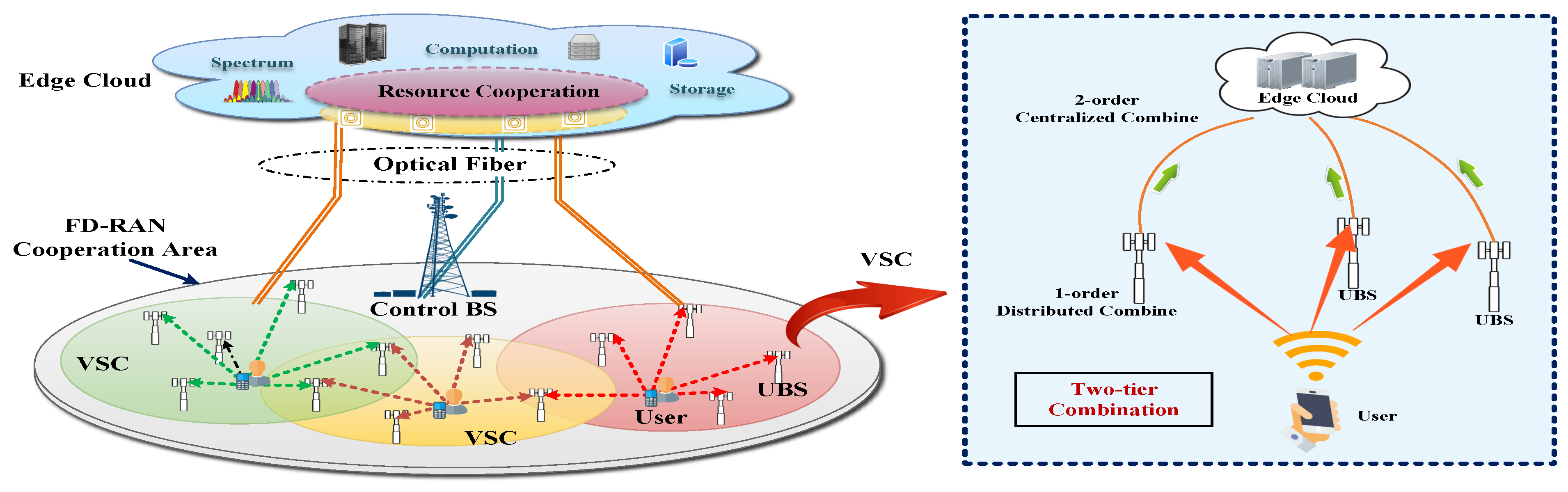
Fig1. FD-RAN resident cooperative reception architecture
2. Full-dimensional Flexible Resource Collaboration
Aiming at the efficient utilization of spectrum resources in FD-RAN, a dynamic resource allocation method combining uplink and downlink is proposed. Compared with the sub channel allocation based on polling scheduling and the single user single base station connection mode with equal power distribution in traditional networks, flexible multi base station cooperation and efficient dynamic resource allocation algorithm can effectively improve the network capacity and improve the quality of service for mobile user communication.

Fig2. FD-RAN resident cooperative reception architecture
3. Personalized Fusion Communication Service
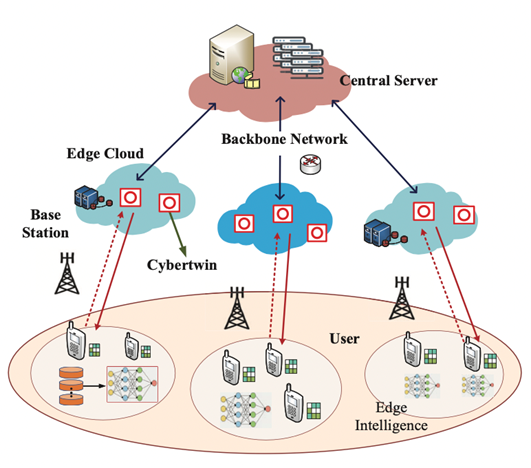
The significant advances in wireless communication together with edge intelligent (EI) technology have facilitated the decentralized edge computing paradigm for data-intensive and delay-sensitive solution on massive Internet of Things (IoT) devices. A Cybertwin assisted asynchronous federated learning (AFL) mechanism is proposed for realizing efficient edge computing by taking full advantage of local computation capability under heterogeneous wireless environment. Subsequently, an optimal resource allocation problem by considering the varied computing power, local data size and available communication bandwidth is formulated.
4. FD-RAN Simulation Platform
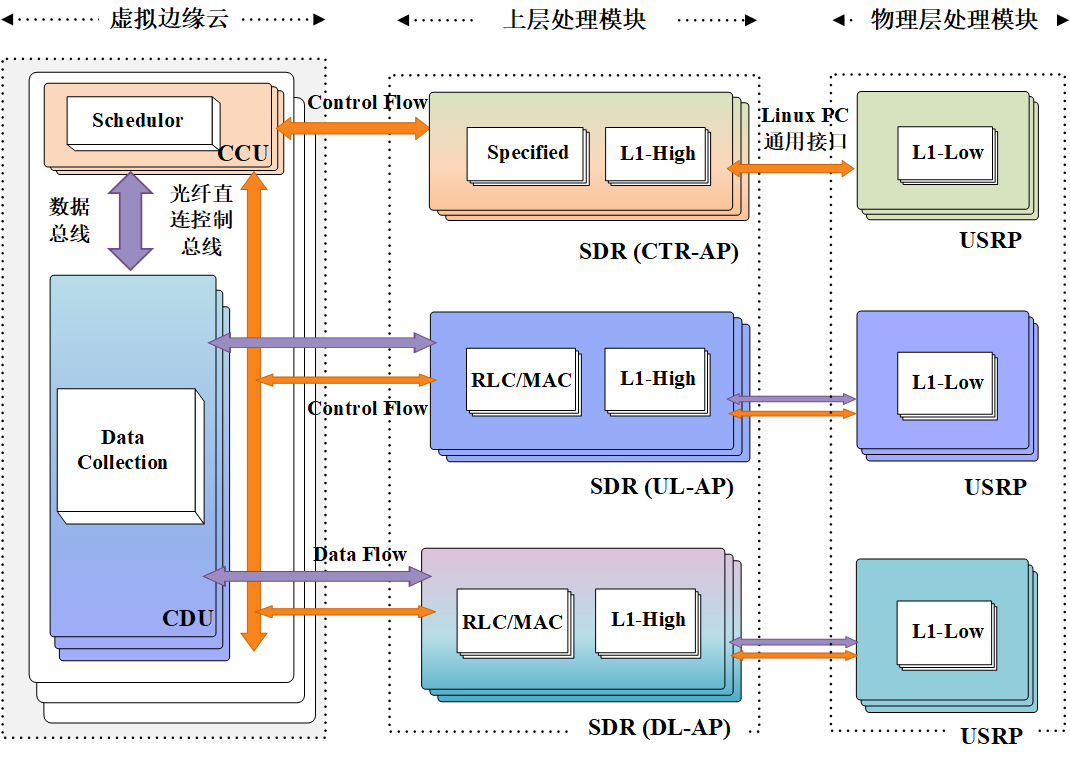
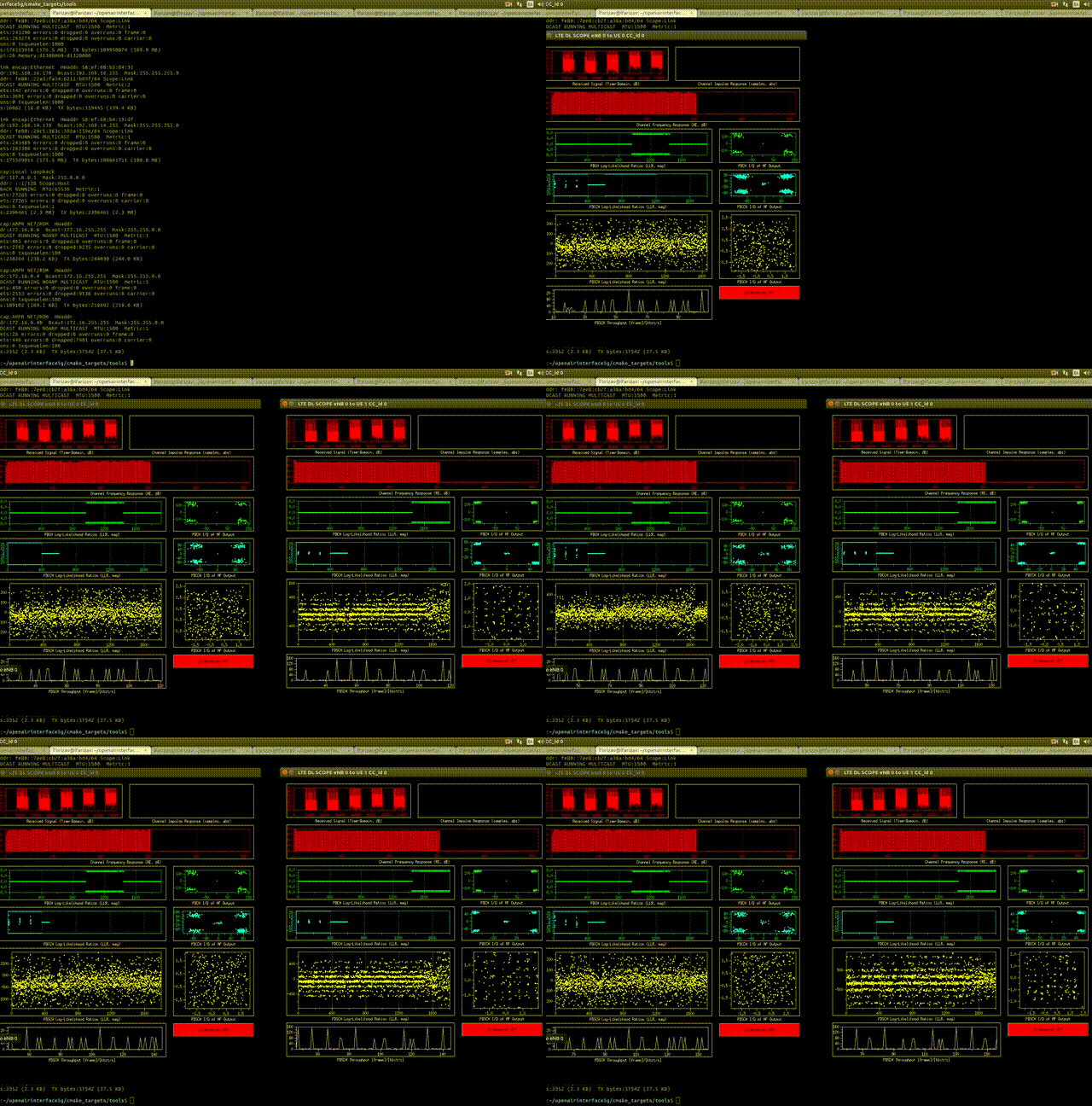
In order to verify the feasibility and superiority of the fully decoupled network, we carry out the verification from two methods: virtual software simulation and physical platform. By establishing an industrial brain-neuron-like network software simulation platform, we can realize flexible changes in network architecture and efficient evaluation of network performance. By establishing a semi-physical simulation platform, we can realize the feasibility verification of key technologies and the original implementation of the network node prototype in the brain-neuron-like network.